
The Purple Quilt

I decided to wrestle with purple. A color I had actively avoided my entire life.
Not to make peace with it. That felt too tidy, like surrender dressed up as acceptance. Wrestling felt more honest. I would make a quilt using every variety of purple I could find, and I would work with it until I understood something I didn’t before.
I pulled out the tumbler template. A traditional quilt block with a cup (tumbler) shape in the middle. When repeated, it makes clean geometry and syncopated rhythms, completely under my control. Yes, I was going to control purple.
Colors of Awareness
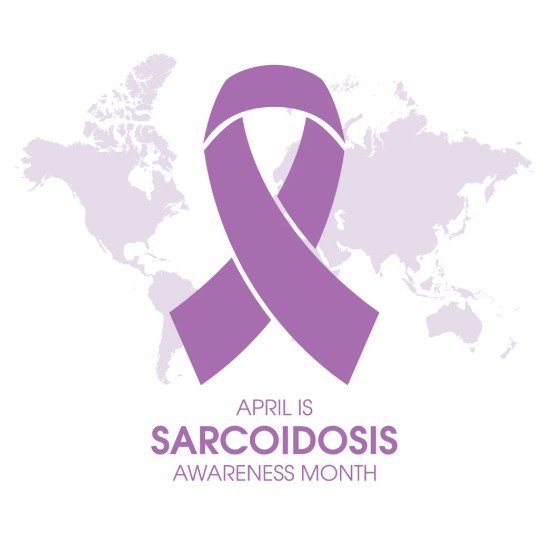
Purple was the awareness ribbon color of MCAS and Sarcoidosis long before I got sick. The way yellow is for cancer awareness. When I finally connected those dots — that both MCAS and Sarcoidosis were flying the same purple flag — my first thought was: of course they are (you should read all the sarcasm and irony into that you can).

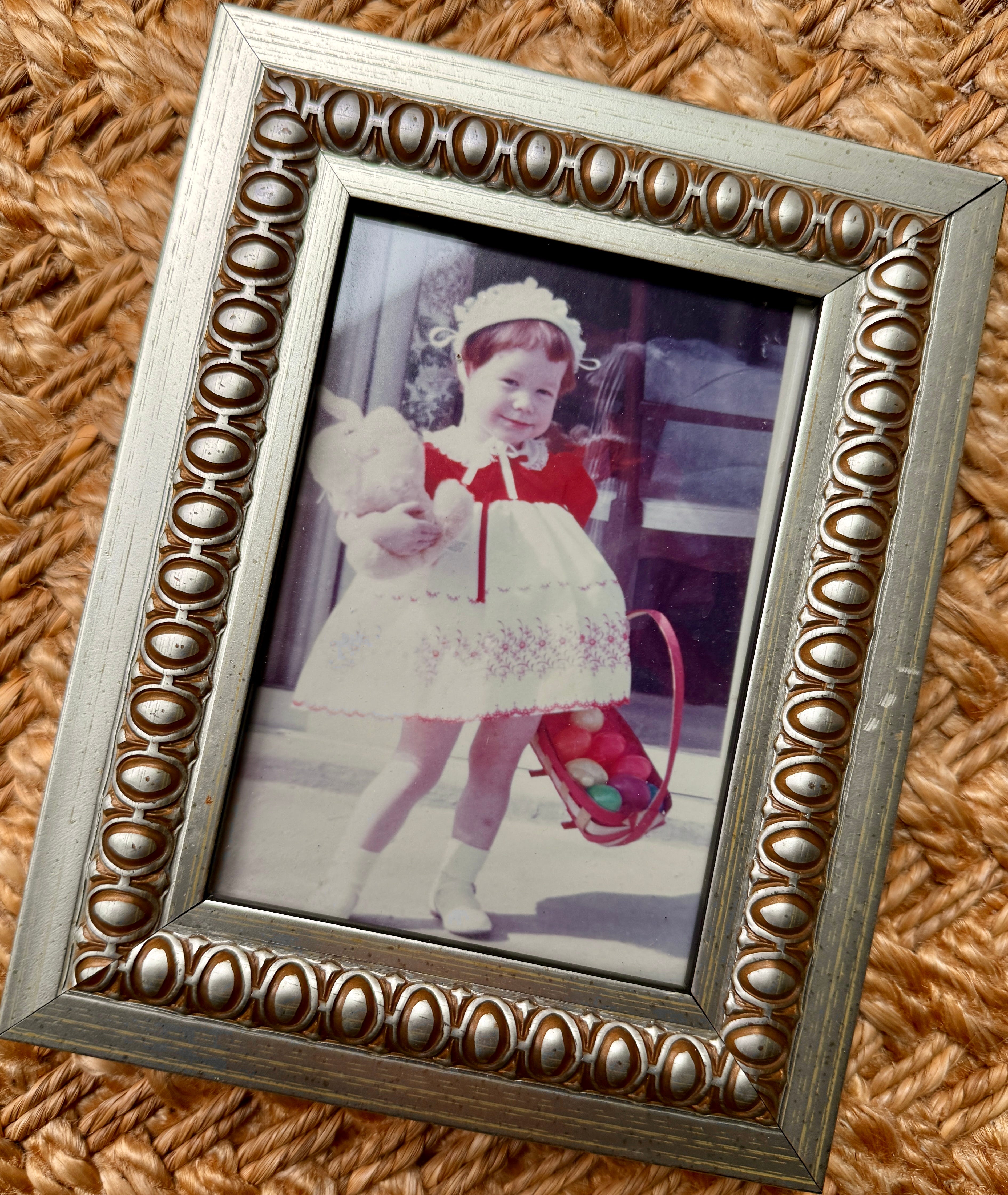
I grew up a redhead and, in my mind, purple and red looked horrible on me. My mother dressed me in red dresses with red patent leather shoes. She called it “style.” The neighborhood called me “fire feet.” I understood red though— it had power, heat, something to push against. Purple felt like the opposite. One value, no depth, and nothing to grab onto. I didn’t buy purple fabric when I first started quilting and I didn’t miss it.
Getting two rare disease diagnoses and discovering their awareness color is purple felt like being handed a jersey for a team I never chose, in a color I never liked.
Screw Tradition
I had sewn about twenty tumbler blocks together and then sewn those to make an hourglass shape. When I stood back to look at those blocks, they screamed “Boring.”


Too static and predictable. The pattern was doing exactly what I told it to do, which was the problem. That wasn’t my life anymore. My life had been cut up and rearranged without my permission, and here I was trying to impose predictability on this quilt.
I needed to add some improvisation to these traditional blocks. Improv Quilting emphasizes spontaneity and personal expression over traditional patterns and templates, allowing quilters to make design decisions in the moment and follow their creative flow. This creates unique, abstract art-type quilts where play, color, and shape are centered, which means it’s about the process. I’d taken Sheri Lynn Wood’s improv quilting class and had her book. I decided to create my own “score” for these tumblers.
I stacked the tumbler blocks on top of each other, sliced through them in the middle of each tumbler creating four pieces out of each block. Then I randomly mixed and matched the pieces back together into mosaic blocks. Some kept the hourglass shape in the middle, while others were parts of the hourglass. But that wasn’t enough. Together the blocks lacked contrast among that sea of purples.
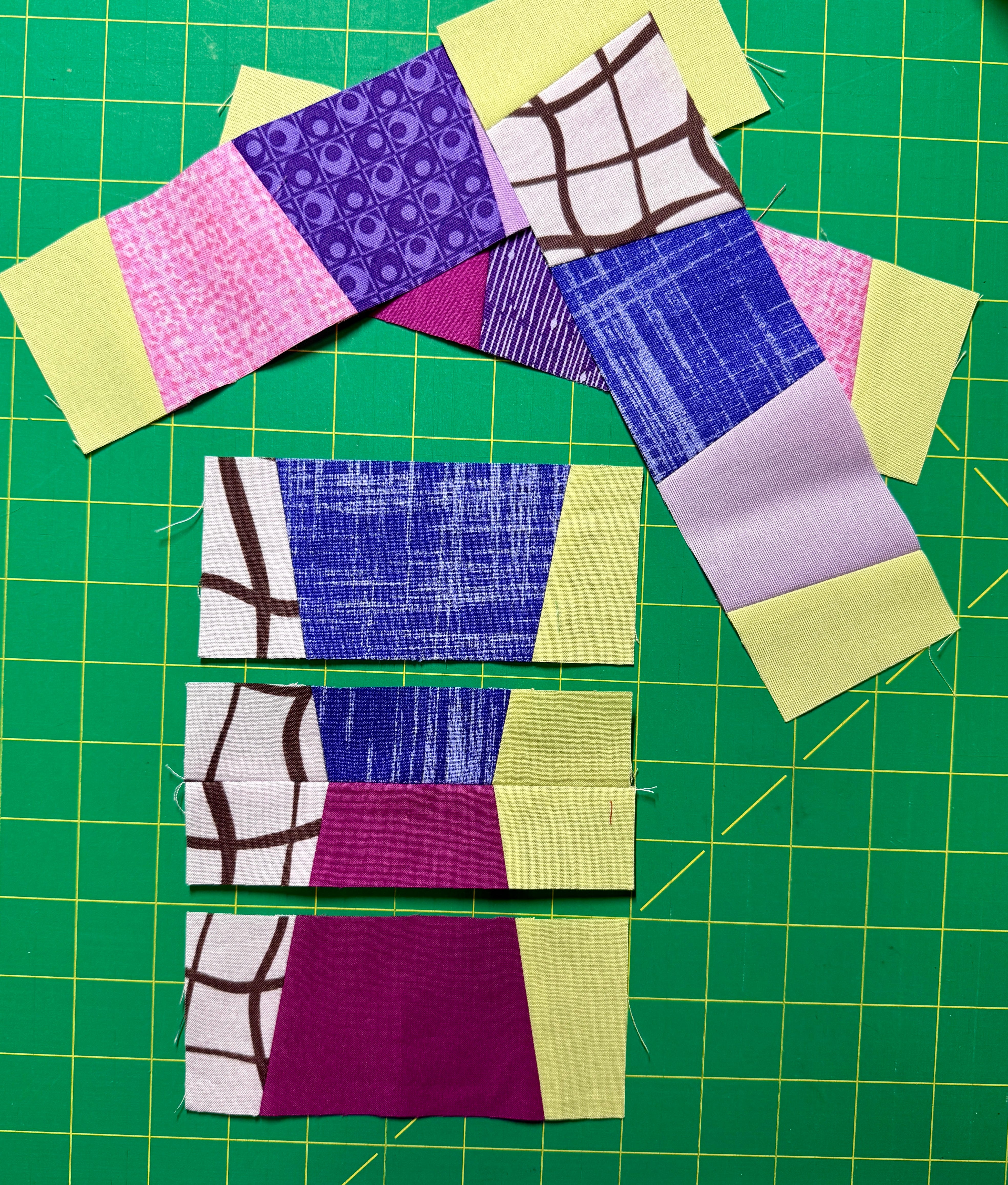
I cut thin lime green strips and pieced them between the sliced blocks. This yellow-green was so close to purple’s complement it practically vibrated against it — and I let some of those lines run all the way to the edges of the quilt across an expanse of deep plum. The green wasn’t purple’s friend, instead it was the interrupter. It was also, I realized later, the thing holding all the pieces together by making space between them, so each one could be seen.


I didn’t have enough purple in my stash when I started this quilt, and it was lockdown time during the pandemic. A spectrum of purple arrived in the mail from a somewhat local quilt shop. I hadn’t let myself consider this array of purple before — blue-violet, magenta, wine, deep plum, toned purples (gray purple). The color of one piece was so lush I wanted to lick it like ice cream.
I still didn’t love the pastels. But they were adding light values and keeping the center from collapsing into itself. They earned their place even if I still didn’t like them.
Caregiver Quilting
When the quilt was finished, I asked my friend Megan to long-arm quilt it. My machine wasn’t big enough for a piece this size, but that wasn’t the only reason.
Megan had been one of my first caregivers when I got sick, before I had even heard of MCAS or Sarcoidosis. Later, she drove me to my EEOC hearing against my employer at the time. She knew what those early months looked like and how far I’d come. Asking her to quilt it was a way of keeping her in my illness narrative and journey.
Her hands are in this quilt. That’s not a metaphor. The quilting — the stitching that holds the top, batting, and backing together — is her work moving across every one of those purples I wrestled with.
When I stepped back and looked at the finished quilt, I didn’t feel transformed. What I felt was space. Room I hadn’t had before. Making this quilt gave me somewhere to put the wrestling while the wrestling was still happening. The wrestling with the two diagnoses, a pandemic, a new self I only half recognized at the time. This quilt let me tell that story in color and shape without knowing that’s what I was doing. And without having a tidy ending for the story.
I have never been a writer. Color, shape, and texture is how I tell stories.


Uncomfortable is a Skill
One of my MCAS doctors once told me to “get comfortable with being uncomfortable.” She meant my symptoms. Things were going to get worse before they got better and there wasn’t much anyone could do about that. I followed her advice, but didn’t fully understand it until I was elbow deep in purple fabric I didn’t want to be touching.
Uncomfortable emotions work the same way. Anger, grief, fear, the frustrating exhaustion of a body that isn’t predictable — we learn to route around them the same way I routed around purple. It’s efficient but it’s not growth.
Purple means something different to me now. I have claimed the deeper values — the wine, the plum, the blue-violet, the purple tones. They mean advocacy, pacing, listening to my body. The pastels still don’t do much for me. But I understand their purpose.
This is one thing art did that nothing else could at that point. Not fix or resolve but expand. Make space for something else.
Try it Yourself
Find a color you’ve been avoiding. Not the one you dislike mildly — the one that makes you say “yuck” inside. Spend time with it the way I spent time with purple. Put it next to other colors. Notice what values suddenly become interesting, what combinations make you want to sit with that color a little longer, what surprises you.
You’re not trying to love it. You’re just getting comfortable with being uncomfortable. It turns out that’s a skill worth practicing.
This work is sustained by this community. If this work resonates, here are ways to continue:
Go Deeper
Register for a workshop or book a 1:1 creative practice arc for more contained support. Workshops offer a structured creative arc. 1:1 sessions provide personalized containment.
Join Wayfinding
Become part of the ongoing creative practice circle with access to all workshops, monthly Open Studios, workshop recordings, community gatherings and access to the Low Histamine Compass and other resources.
There will always be a free Unfolding Path tier with short therapeutic practices, studio reflections, and arts & health insights for women navigating chronic illness.
Because healing isn’t linear — and neither is art.